Human Service Project
मानवसेवा प्रकल्प (Manavseva Prakalp)
A rightful home for minds and hearts that have lost their homes
Page last reviewed 5 August 2026 · Reviewed by Amrutvahini Program Team
Key Facts at a Glance
| Program Name | Human Service Project (Manavseva Prakalp) |
|---|---|
| Operated By | Shree Amrutvahini Gramvikas Mandal |
| Program Type | Residential mental health rehabilitation & family reunification |
| Who It Serves | Homeless, destitute, and abandoned individuals with mental illness |
| Current Residents | 170 |
| Patients Reunited To Date | 2,500+ |
| Family Disclosure Rate | ~70% within 6 months of treatment |
| Maximum Treatment Period Before Reunification Attempt | Up to 6 months |
| Post-Reunification Follow-Up | Home visits for up to 2 years |
| Geographic Reach | Across Maharashtra and beyond its borders |
| Core Services | Shelter, food, clothing, counseling, psychiatric diagnosis, medication |
Who the Human Service Project Serves
When people hear the words "mentally ill," they often picture someone in torn or absent clothing, matted hair, talking to no one in particular — dismissed by a single word: "mad." Indian society has long looked at mental illness with contempt rather than compassion, and that contempt leaves people living with mental illness exposed to genuinely inhumane treatment on the street.
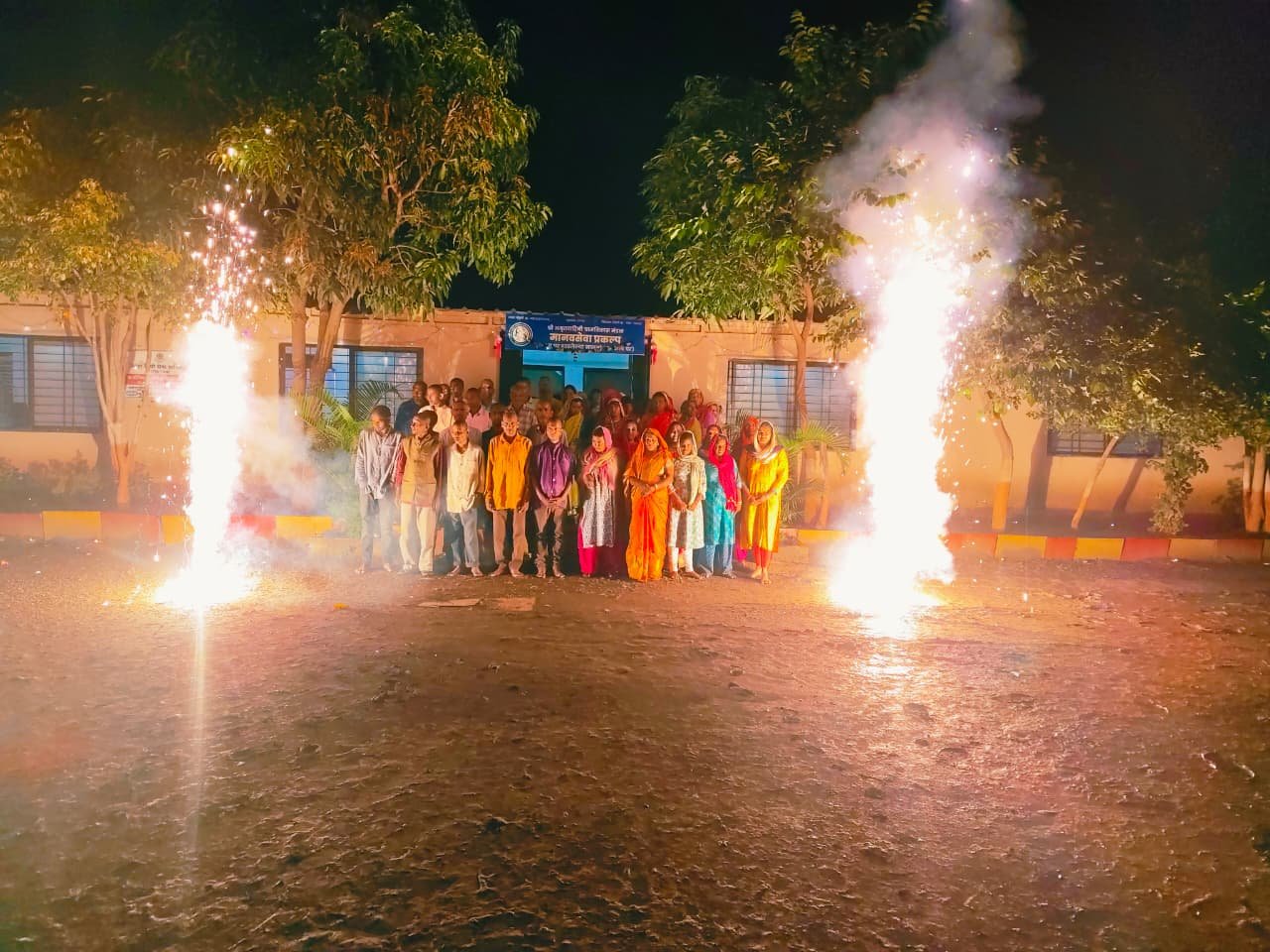
The Human Service Project exists to interrupt that cycle. It works specifically for the treatment and rehabilitation of homeless, destitute, and marginalized individuals living with mental illness — people society has otherwise written off. At present, 170 women and men are receiving treatment and residential care at the institution.
How Patients Are Found and Admitted
Most residents arrive in a visibly neglected state — overgrown hair and beards, unwashed for weeks or months, wearing whatever clothing has survived life on the street, if any. Our team brings these individuals, who have no one else to turn to, directly into the Human Service Project.
The very first thing we do is restore basic human dignity: a bath, a haircut where needed, and clean clothes. Only after that does clinical care begin.
“A person is never truly homeless until the world stops looking for a way to bring them home.”
The Care We Provide
Alongside the fundamentals of food, clothing, and shelter, every resident receives counseling, a clinical diagnosis from a qualified psychiatric specialist, and ongoing medication where needed. Care is not a one-time intervention — it continues for as long as a resident needs it.
The Path to Family Reunification
Residents typically receive up to six months of counseling and psychiatric treatment. Within that window, around 70% begin to recall and share details of their family background and home address — memories that mental illness and years on the street had buried.
Once that information surfaces, our volunteers act on it directly: tracing families, making contact, and working toward reuniting each patient with their household wherever that is possible and safe to do so.
Life After Reunification: Two Years of Follow-Up
To date, more than 2,500 patients have been rehabilitated and reunited with their families — across Maharashtra and beyond its borders. Reunification is not where our involvement ends.
For up to two years after a patient returns home, our field workers continue to visit that household in person, checking on the patient's wellbeing and making sure recovery holds outside the institution, not just inside it.
Frequently Asked Questions
What is the Human Service Project (Manavseva Prakalp)?
It is the flagship rehabilitation program of Shree Amrutvahini Gramvikas Mandal, providing shelter, medical care, counseling, and family reunification for homeless and abandoned individuals living with mental illness across Maharashtra.
Who is eligible for admission into the program?
The program admits homeless, destitute, and abandoned individuals living with mental illness who have no other means of care — regardless of gender, background, or how long they have been living on the street.
How long does treatment take before family reunification is attempted?
Most residents receive counseling and psychiatric treatment for up to six months. Around 70% begin sharing details of their family background and home address within this period, which our team then uses to trace relatives.
What happens after a patient is reunited with their family?
Amrutvahini's field workers continue visiting the patient's home for up to two years after reunification, checking on their wellbeing and continued recovery.
How many patients has the program helped so far?
More than 2,500 patients have been rehabilitated and reunited with their families across Maharashtra and beyond since the project began, with 170 individuals currently in residential care.
Where is the Human Service Project located?
The project operates from Shree Amrutvahini Gramvikas Mandal's facility in Arangaon (Meherabad), Ahilyanagar (Ahmednagar) district, Maharashtra, and serves individuals from across and beyond the state.
How can I support the Human Service Project?
You can volunteer your time, make a donation earmarked for this program, or partner with Shree Amrutvahini Gramvikas Mandal as an organization. Every contribution helps fund shelter, medicine, and family reunification efforts.
Related Programs
Help us bring one more person home
Every rupee and every hour volunteered goes directly toward shelter, medicine, and reuniting families.