
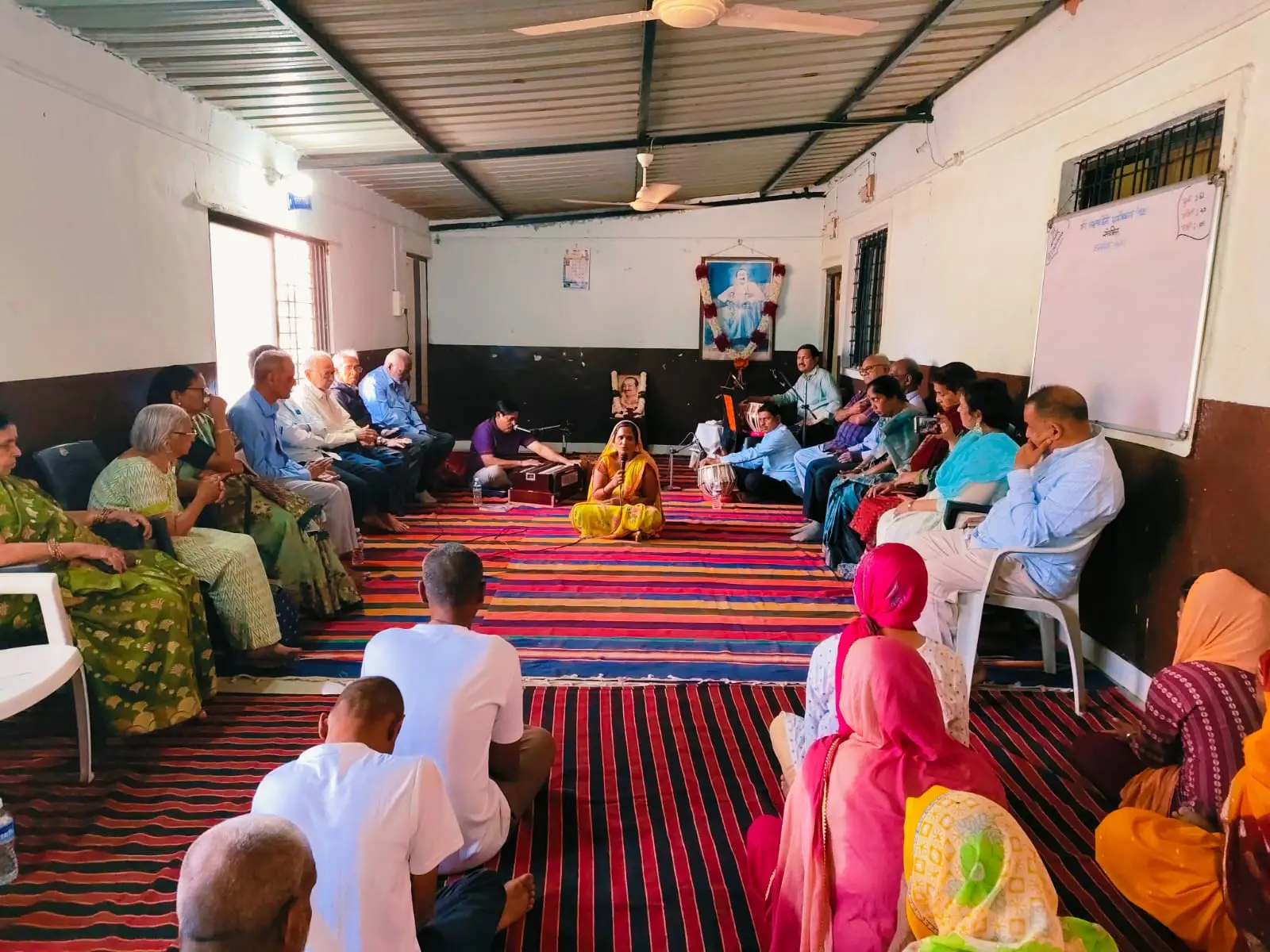
A safe place to sleep can change someone's night. Proper medical care can change someone's health. But being reunited with family, regaining a sense of belonging, and being treated with dignity can change the course of an entire life.
For thousands of vulnerable individuals across India, homelessness and mental health challenges are not isolated problems. They can lead to social exclusion, loss of family connections, lack of medical care and years of uncertainty.
Addressing these challenges requires more than temporary assistance. It requires patience, professional care, compassion and a long-term commitment to rehabilitation.
In Ahilyanagar, Maharashtra, the Manavseva Project of Shree Amrutvahini Gramvikas Mandal works towards this very purpose: helping homeless, destitute and abandoned individuals living with mental health challenges find care, dignity and a path towards reconnecting with their families.
1. The Human Story Behind Homelessness
When we see someone living on a footpath, at a railway station or in a public place without proper clothing or shelter, it is easy to see only their present circumstances.
But behind every individual is a human story.
Some people have become separated from their families. Others have experienced psychological distress, abandonment, poverty or circumstances that have made independent living extremely difficult.
Many struggle to access healthcare and basic necessities. Without support, their condition can deteriorate, while social stigma makes their return to ordinary community life even harder.
Homelessness should never take away a person's identity, dignity or right to care.
The first step towards meaningful social change is recognising the person behind the circumstances.
2. Manavseva: Where Compassion Becomes Action
The Manavseva Project, operated by Shree Amrutvahini Gramvikas Mandal, is dedicated to the care and rehabilitation of homeless, destitute and abandoned individuals living with mental illness.
Located at Arangaon (Meherabad), in Ahilyanagar district, the project provides a supportive residential environment where individuals can receive essential care.
Its approach goes beyond providing food and accommodation.
The work focuses on:
- Safe shelter: Providing a protected and supportive place to live.
- Personal care: Helping individuals regain cleanliness, confidence and a sense of self-worth.
- Medical and psychiatric support: Facilitating professional diagnosis, treatment and medication.
- Nutrition: Ensuring access to regular meals and essential nourishment.
- Counselling and emotional support: Creating an environment where individuals are treated with patience and understanding.
- Rehabilitation: Supporting recovery and the possibility of returning to family and community life.
Each individual has different needs. Therefore, meaningful rehabilitation requires an approach that respects personal circumstances and focuses on long-term well-being.
3. Why Family Reunification Is an Important Part of Rehabilitation
One of the most meaningful aspects of the Manavseva Project is its commitment to reconnecting individuals with their families.
For someone who has spent months or years away from home, remembering a village, a family member or an address can become an important step towards rebuilding their life.
Mental health challenges and prolonged periods of homelessness can make communication and remembering personal details difficult.
With appropriate treatment, counselling and continued support, some individuals gradually begin sharing information about their families and hometowns.
The rehabilitation team can then work towards tracing relatives, establishing contact and exploring the possibility of a safe family reunion.
However, family reunification is not simply about finding an address. It requires understanding the individual's circumstances, communicating with relatives and considering their well-being.
The goal is to create a meaningful and sustainable return, not merely complete a reunion.
4. Rehabilitation Does Not End at the Shelter
A person's return to their family is an important milestone, but it should not be considered the end of the rehabilitation journey.
Families may need guidance and reassurance. Individuals may require continued medical attention, emotional support and help adjusting to their surroundings.
This is why follow-up and family engagement matter.
The Manavseva Project's rehabilitation approach includes continued contact and home visits after reunification to help assess the individual's well-being and adjustment within the family environment.
This ongoing commitment recognises an important truth: sustainable rehabilitation requires continuity of care.
A successful reunion is not just about bringing someone home. It is about helping them remain supported after they get there.
5. Changing Society's Understanding of Mental Health
Mental health remains surrounded by misunderstanding and stigma in many communities.
People experiencing mental illness are sometimes judged, isolated or treated without the respect they deserve.
Such attitudes can prevent individuals and families from seeking appropriate assistance.
Community awareness is therefore an essential part of social development.
We need to encourage conversations about mental health, promote access to professional treatment and create communities where people can seek help without fear of discrimination.
An individual's mental health condition should never become a reason to deny them dignity, safety or human rights.
Through humanitarian work and rehabilitation initiatives, organisations like Shree Amrutvahini Gramvikas Mandal help demonstrate why compassion and informed care must go together.
6. How Can You Contribute to This Mission?
Building a compassionate society is a shared responsibility. It is not limited to NGOs or social workers.
Individuals, families, educational institutions, businesses and community organisations can all contribute.
Here are a few meaningful ways to participate:
- Support genuine organisations working for vulnerable individuals.
- Encourage mental health awareness in your community.
- Volunteer your time, professional skills or resources.
- Help spread awareness about homelessness and social exclusion.
- Treat people experiencing mental health challenges with dignity and respect.
- Encourage families to seek professional assistance when someone needs support.
Even a small contribution can help strengthen a larger humanitarian mission.
7. A Vision of Humanity Where Nobody Is Forgotten
The true measure of a developed society is not only its economic progress, infrastructure or technological achievements. It is also reflected in how it treats people who are most vulnerable.
The Manavseva Project represents a commitment to a society where homelessness does not mean abandonment, mental illness does not mean exclusion, and difficult circumstances do not erase a person's right to a dignified life.
Through shelter, healthcare, rehabilitation and efforts towards family reunification, Shree Amrutvahini Gramvikas Mandal continues its work of making humanity an active responsibility.
Because every person deserves more than survival. Every person deserves care, belonging and the opportunity to begin again.
Manavseva is not simply about serving people. It is about recognising humanity in every individual.
About Shree Amrutvahini Gramvikas Mandal
Shree Amrutvahini Gramvikas Mandal is a social service organisation working towards humanitarian support, mental health care, rehabilitation and community development across Maharashtra.
Through its Manavseva Project in Ahilyanagar, the organisation works to provide shelter, medical assistance, rehabilitation and family reunification support to homeless and vulnerable individuals living with mental health challenges.
Learn more about the Manavseva Project: https://www.amrutvahini.org/programs/manavseva
Help Us Reach More Villages
Your support powers our healthcare, education, and women-empowerment programs across rural Maharashtra.
Support Our Work